 Join on WhatsApp
 Join on Telegram
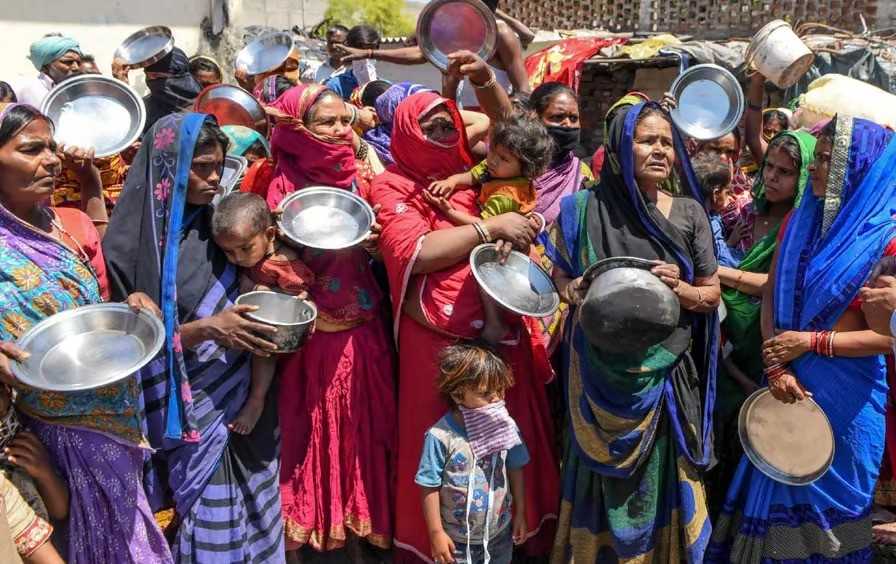
Rabat – According to the 2024 Global Report on Food Crises (GRFC), a staggering 281.6 million individuals encountered high levels of acute food insecurity across 59 countries and territories in 2023. This marks a distressing escalation from previous years.
Notably, 705,000 people in five countries are grappling with the most severe form of food insecurity and hunger—an alarming fourfold increase since 2016 when the report was first initiated.
According to the GRFC, a food crisis emerges when acute food insecurity necessitates immediate intervention to safeguard lives and livelihoods at local or national levels, surpassing local resources and capacities to respond adequately.
The report highlights that food insecurity arises from disruptions in availability, access, utilization, or stability, either chronically or acutely.
Populations enduring prolonged food insecurity or malnutrition are particularly susceptible to food crises, exacerbated by structural factors that heighten vulnerability to shocks.
Monitoring countries grappling with food crises in 2023, the GRFC identifies a distressing trend: while conditions ameliorated in 17 countries, they worsened in 12 others.
Notably, deteriorating conditions resulted in an additional 13.5 million individuals facing acute food insecurity.
Sudan experienced the most significant deterioration due to its protracted civil conflict, with 20.3 million people confronting acute food insecurity.
The primary driver behind food insecurity is conflict, affecting 20 countries and a staggering 135 million individuals.
In Violence-ridden Gaza, 577,000 people face famine, making it the territory with the highest famine risk, according to the report.
Sudan’s year-long civil war has led to massive internal displacement and food insecurity. By July 2024, around 1.1 million individuals in Gaza and 79,000 in South Sudan are anticipated to confront famine.
Moreover, the report highlights that the number of displaced individuals across the 59 food-crisis countries and territories surpassed 90 million in the past year, with the majority being internally displaced.