 Join on WhatsApp
 Join on Telegram
By Sami Bouazi
Morocco World News
Rabat, December 16, 2011
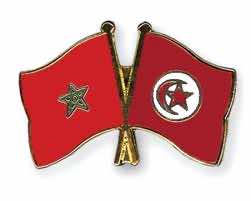
Symbolism plays a strategic role in international relations. This is why Tunisian President-elect Moncef Marzouki has insisted that his first contact with a foreign head of state be with King Mohammed VI of Morocco.
Tunisia was the country that triggered the wave of change sweeping the Arab world. The election of Marzouki, a man who has fought all his life for civil rights and government by the people, is a symbol of democracy. And the telephone conversation between Marzouki and King Mohammed VI is a symbol of shared values—shared despite the very different pasts of these two men.
There have been encouraging successes in both these countries, which have succeeded in making the first steps towards democracy.
These steps are premised on full respect for the will of the people regardless of risks and the concerns it may cause to the international community. The promise held in King Mohammed VI’s speech on March 9, 2011 has been confirmed more and more and even skeptics are beginning to respect his commitment to change.
Through the dialogue set in motion between the the heads of state of Tunisia and the Morocco, both countries are positioning themselves as leaders, and show they are aware of the central role they will play in the Arab world post-revolution.
Editing by Jasmine Davey
The views expressed in this article are the author’s own and do not necessarily reflect Morocco World News’ editorial policy.