 Join on WhatsApp
 Join on Telegram
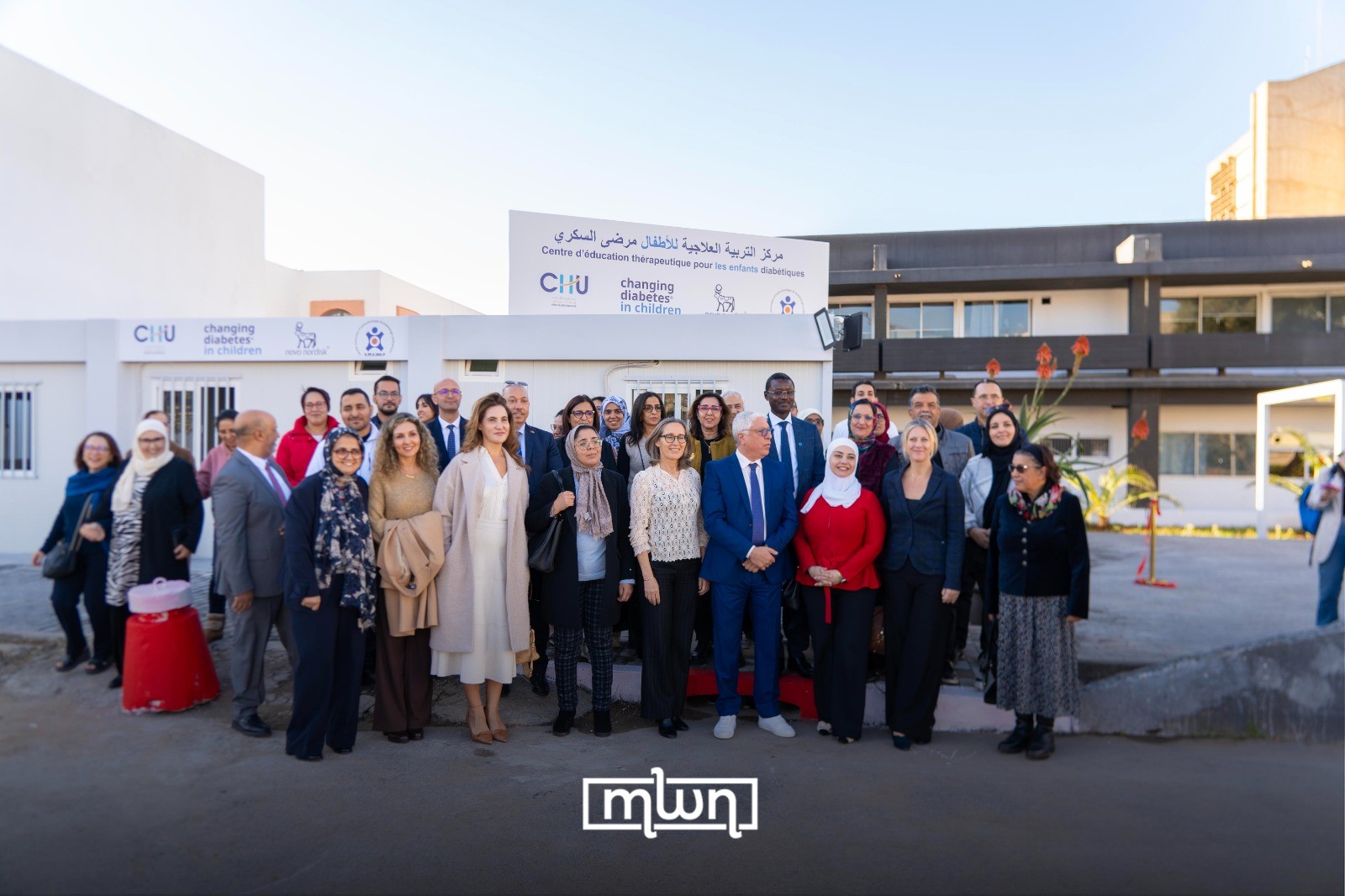
Rabat – Danish Pharmaceutical company Novo Nordisk and the Moroccan Society for Pediatric Endocrinology and Diabetology (SMEDIAP) inaugurated on Tuesday a new therapeutic education center at the University Hospital (CHU) in Rabat as part of the “Changing Diabetes in Children” (CDiC) initiative.
This facility is dedicated to providing specialized care for children with type 1 diabetes and their families. The center is equipped with modern resources, trained staff, and educational programs. It aims to improve diabetes management through comprehensive therapeutic education.
Novo Nordisk and SMEDIAP signed the partnership agreement for the (CDiC) initiative in October 2023 to improve the lives of children and adolescents living with type 1 diabetes in Morocco by focusing on education, access to treatment, and support systems.
Established in 2009, CDiC is a global public-private partnership targeting children with type 1 diabetes in low- and middle-income countries. It focuses on four key components; patient education, capacity building for healthcare professionals, improving access to care, and ensuring the availability of insulin and monitoring supplies.

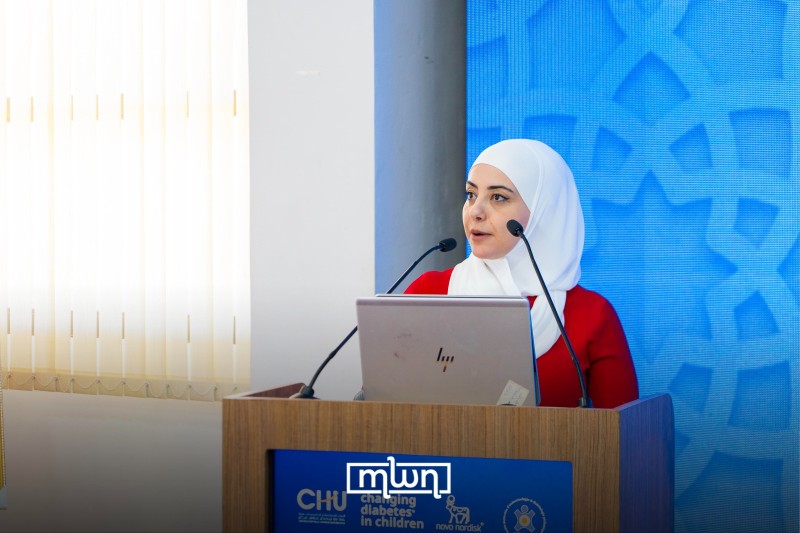
Morocco World News spoke with SMEDIAP President Farina Jennane during the center’s inauguration on Tuesday. She pointed to the importance of education in managing diabetes, saying that efforts to combat this medical condition must go beyond simple diagnosis to cover the whole therapeutic process.
“When a child is diagnosed with type 1 diabetes, it’s not just about diagnosing the condition and prescribing medication… There are educational programs that help the patient and their family manage diabetes on a day-to-day basis,” she said. “This cannot be done in just a half-hour or entirely during hospitalization.”
Jennane added that these educational programs involve structured, multi-level courses provided by a trained team, including doctors, pediatricians, diabetologists, nurse educators, and dietitians.
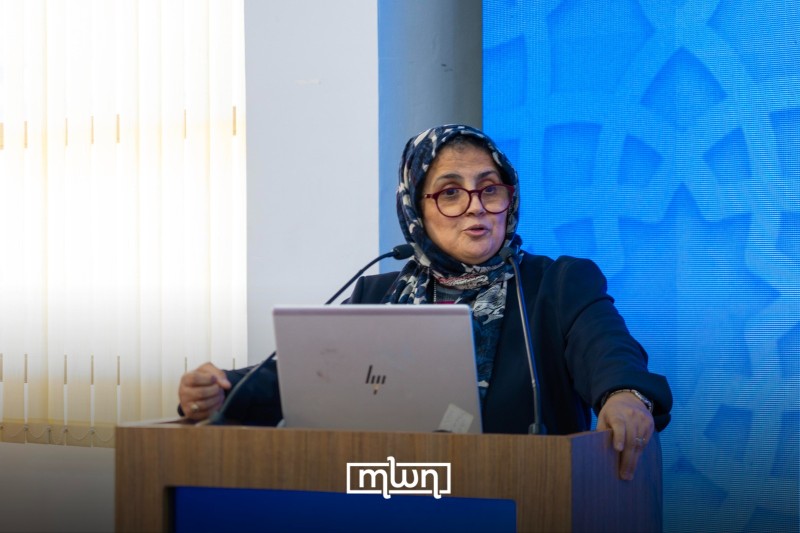
She further noted the value of Novo Nordisk’s support in scaling the initiative, saying they will provide funding for the next four to five years and support the establishment of additional education centers across Morocco. Two centers are already operational, including the Diabetic Hygiene House at the Mohamed V Foundation in Rabat and the Hayat Association in Casablanca.
Meanwhile, Anas Jbari, head of the Division of Medical and Strategic Affairs at CHU, spoke more about the significance of therapeutic education. It “helps raise awareness about the disease, supports children and their families in accepting it, and teaches them how to manage their lives, treatments, and physical activities,” he told MWN.
The specialized center provides dedicated rooms, staff, and equipment to support young patients and their families, Jbari added.

He noted that CHU Rabat already had a department and unit for children with diabetes, “the growing prevalence and severity of the disease in Morocco, especially among children, made it clear that patient care needed to be further strengthened.”
For Jbari, “this new center is an important step toward improving the management of this condition.”
Type 1 diabetes is a chronic condition resulting from the destruction of insulin-producing cells. It often affects children and young adults. Managing the disease requires daily insulin injections, proper education, and long-term support. According to the International Diabetes Federation, Morocco is among the 10 countries with the highest prevalence of type 1 diabetes in children, with over 43,000 cases under the age of 19.
Given the prevalence of disease in Morocco, Novo Nordisk General Manager Olla Al Refai said that DCiC is one of many initiatives they aim to continue to support the country.
“This is why Morocco is one of our focus markets, and we strive to partner with the public sector through public-private collaborations to help change diabetes,” she explained.