
 Join on WhatsApp
 Join on Telegram
Rabat – The Moroccan government has launched a new initiative to tackle unemployment, prioritizing rural development, vocational training, and the expansion of small businesses.
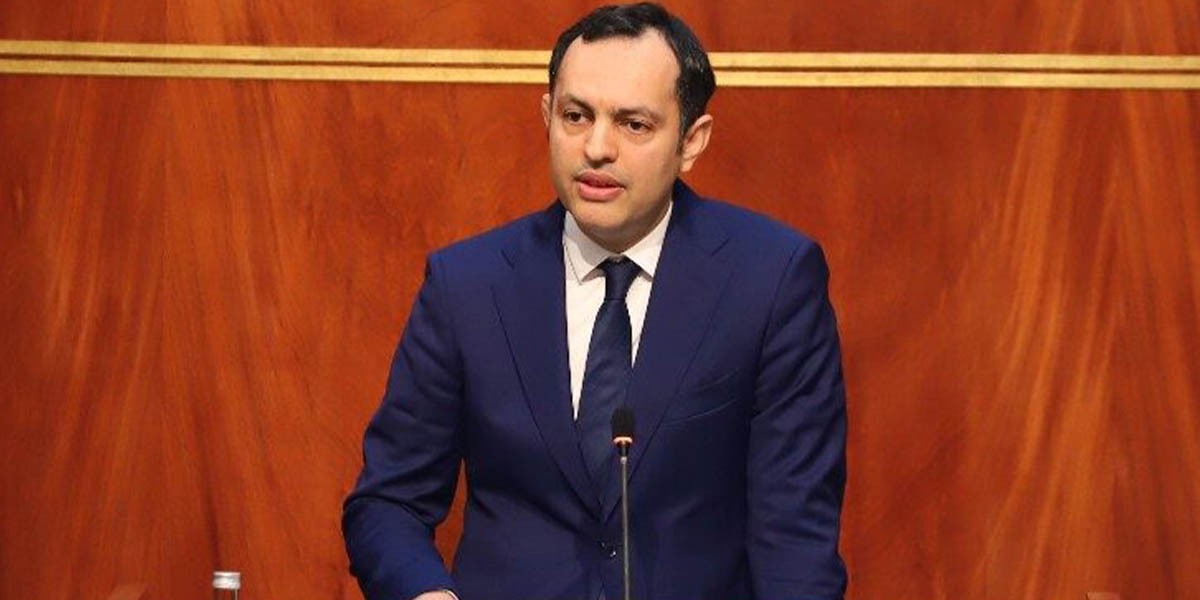
After a high-level meeting on employment in Rabat, Younes Sekkouri, Minister of Economic Inclusion, announced a series of initiatives to boost job opportunities across Morocco.
The meeting brought together a broad coalition of government officials from various sectors, alongside representatives from the High Commission for Planning (HCP), the National Social Security Fund (CNSS), and the Office of Vocational Training and Labor Promotion.
The discussed strategy includes apprenticeship programs to equip youth with practical skills and a partnership with the National Agency for the Promotion of Employment and Skills (ANAPEC) to support individuals without formal qualifications.
Rural areas, often overlooked in employment policies, are at the heart of the government’s plan, which includes targeted training programs and support for small businesses to boost local economies.
Sekkouri underlined the need to simplify processes for job seekers and businesses, stating: “We must ensure that small and medium enterprises, as well as micro-businesses, have better access to skilled labor and support mechanisms.” The initiatives aim to align with local labor market needs, fostering inclusive growth nationwide.
Unemployment reached 13.6% in the third quarter of 2024. And with 58,000 more people out of work this year, Morocco’s total number of unemployed now stands at d, 1.683 million. The challenge is particularly severe in urban areas, where unemployment stands at 17%, compared to 7.4% in rural regions.
Read Also: Morocco’s Workforce Under Strain as Unemployment Hits New Highs to 13.6%
To address these disparities, the government plans to roll out programs in both rural and urban areas. “These efforts go beyond addressing unemployment figures; they are about making meaningful changes in people’s lives,” Sekkouri said.
Prime Minister Aziz Akhannouch, who led the meeting, noted the importance of a balanced national strategy, stating that the government is closely monitoring employment sector dynamics and plans to implement impactful short- and medium-term measures.
He urged stronger coordination among stakeholders to enhance the efficiency of government interventions. The 2025 budget includes a record allocation of MAD 14 billion ($1.4 billion) to boost job creation.
Nadia Fettah, Minister of Economy and Finance, outlined the government’s financial commitment to its employment agenda, announcing that the 2025 Finance Law has allocated 14 billion dirhams to job creation initiatives. She noted that the focus on employment reflects the government’s priorities for the second half of its term.
“An operational strategy will be presented in the coming days, targeting immediate results through 2026 while laying the foundation for sustainable, long-term solutions,” Fettah said. The plan will prioritize investments in agriculture and small businesses, particularly in response to ongoing drought conditions affecting rural livelihoods.
Fettah added that vocational training and capacity building are central to the government’s approach, aiming to prepare job seekers for the demands of Morocco’s evolving economy and improve workforce integration.
With this comprehensive strategy, the government seeks to tackle unemployment as part of a broader vision for Morocco’s socio-economic development.