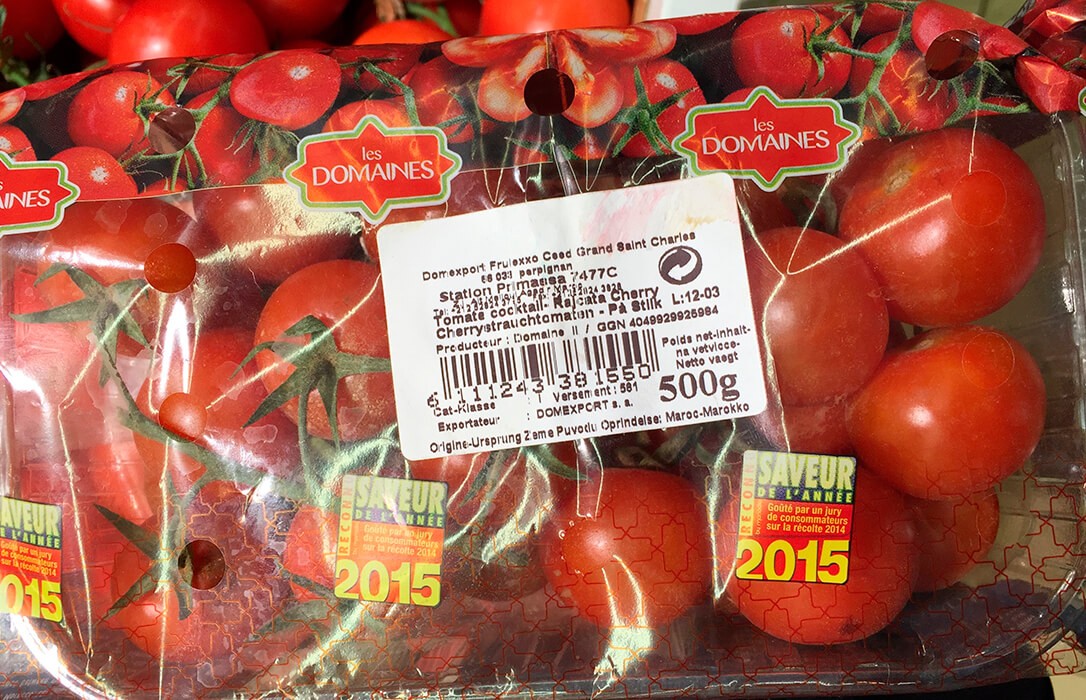
Doha – Spain has implemented a new pilot project at the Port of Algeciras to strengthen controls on agricultural imports from third countries, particularly Morocco, responding to demands from Spanish farmers who protested earlier this year.
The initiative, which will later extend to Barcelona and Valencia ports, establishes a unified inspection system under the Ministry of Agriculture’s direct supervision.
Part of 43 measures agreed upon between agricultural organizations and the Ministry of Agriculture, Fisheries, and Food, this new control mechanism represents a significant shift in import inspection procedures.
According to EuropaSur, the Port of Algeciras, which handles 60% of Spain’s vegetable imports from third countries, is serving as the testing ground for this enhanced monitoring system.
Cristóbal Cano, Vice Secretary of Sectoral Union Action of the Union of Small Farmers and Ranchers (UPA), highlighted that the Ministry of Agriculture now “leads and unifies these controls,” which previously involved multiple departments including Health and Commerce.
The new system introduces a single inspection team comprising agronomists and veterinarians under unified command.
The initiative addresses long-standing concerns from both agricultural and logistics sectors.
The Association of Freight Forwarders (Ateia-Oltra) had previously reported significant delays at the Border Control Post (PCF), with trucks from Morocco facing wait times of up to five days and containers up to a week due to administrative bottlenecks.
This enhanced control system comes amid challenging circumstances for Spanish agriculture.
According to El Economista, the sector has faced mounting pressures from increased production costs, with agricultural expenses rising 32% in 2022. The most significant increases were in fertilizers (74.3%), fuel (68%), and electricity (53.8%).
The timing of these stricter controls coincides with concerning trade dynamics. According to Okdiario, Spain paid 30% more for Moroccan fruit in the first half of 2024, reaching €3.46 per kilogram, while importing less volume.
Read also: Morocco Leads Spain’s Non-EU Fruit and Vegetable Imports in Early 2024
The country purchased 125.5 million kilograms of fruit from Morocco for €434.1 million during this period, compared to 149.3 million kilograms for €405 million in the same period of 2023.
The situation has led to significant changes in Spain’s agricultural landscape. El Economista reports that Spanish agri-food companies have increasingly established operations in Morocco, with the number of companies present in the North African country growing by 35% in three years.
Currently, 50 Spanish agricultural companies operate in Morocco, representing 16% of all Spanish businesses registered there according to ICEX data.
Agricultural organizations like COAG have expressed concerns about unequal production conditions, citing differences in permitted phytosanitary products and labor standards.
Andrés Góngora, COAG’s provincial secretary in Almería, noted that Brussels acknowledges these disparities but has yet to address them effectively.
The strengthened control system at Spanish ports aims to ensure imported products comply with European Union regulations, including labeling and phytosanitary requirements.
For the first time, agricultural organizations are participating in the inspection process, allowing them to monitor imports from countries including Morocco, Peru, and Costa Rica.
UPA representatives have expressed satisfaction with the pilot project’s initial results, emphasizing its role in enhancing food security for consumers while addressing long-standing concerns from Spanish agricultural producers.
The organization plans to remain involved in the program’s development, proposing continuous improvements to the inspection process.