
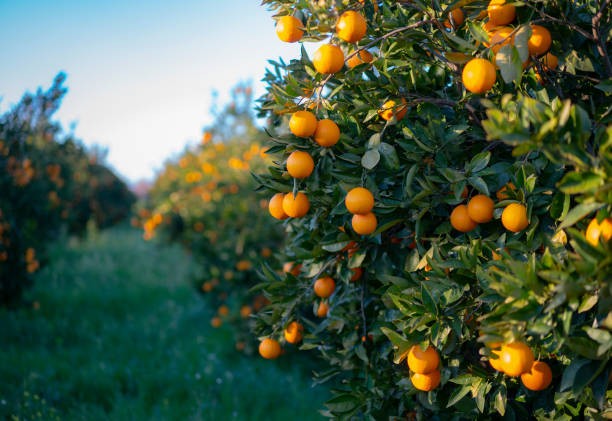
Rabat – Morocco’s citrus sector is gearing up for a promising season, with an estimated production of 192,300 tons for the 2024-2025 campaign in the Moulouya irrigated area in Berkane province.
Despite challenges posed by climate change, such as recurring droughts and water shortages, the sector remains a vital pillar of the country’s agricultural economy.
Hafida El Aallam, head of the agricultural production service at the Regional Office of Agricultural Development of Moulouya (ORMVAM), explained to MAP that clementines make up 60% of the projected output.
These citrus fruits are highly valued for their quality, with a major portion destined for export to European and Asian markets.
El Aallam noted the economic and social role of citrus production in Morocco, particularly its contribution to employment in farms and packing units.
The sector also boosts the country’s agricultural output, especially in key regions such as the Oriental, Souss-Massa, and Gharb.
Although the citrus industry has faced extreme strain from years of prolonged drought, this season offers a glimmer of recovery. Improved water availability at the beginning of the agricultural year enhanced the quality and quantity of production, providing some relief to farmers and exporters alike.
However, Morocco continues to grapple with a severe and persistent water crisis. For nearly six years, the country has experienced an intense drought, with rainfall levels plummeting by more than 40% compared to the historical average.
Water reserves in dams have dropped by an alarming 75%, and underground aquifers are being depleted at an unsustainable rate. This precarious situation has disrupted agricultural activities across the nation, threatening long-term sustainability and rural livelihoods.
Despite these challenges, hope lingers. Investments in modern irrigation techniques, combined with a strategic focus on drought-resistant crops, offer a pathway to resilience.
For the citrus sector, in particular, this season’s recovery signals the potential for gradual improvement, fueled by determination and innovation within the agricultural community. Farmers and industry leaders remain optimistic that, with continued support, Morocco’s citrus industry can weather the challenges ahead and sustain its crucial role in the economy.
A central sector for Morocco
Citrus production is more than just an agricultural activity; it is a cornerstone of Morocco’s rural economy.
The sector accounts for 23% of the total value of plant production and generates over 2.8 million workdays annually. It also plays a major role in maintaining Morocco’s presence in international agricultural markets.
The citrus sector’s resilience underlines Morocco’s broader efforts to adapt to climate change.
Regions across the country have faced reduced water reserves, impacting the health of orchards and fruit yields.
In the Moulouya basin, the severe ongoing drought caused a decline in production, but early rains in the current season was a temporary source of slight relief.
These improvements have not only enhanced current production but also prepared orchards for their next flowering phase. Late-season varieties are expected to thrive while reinforcing Morocco’s reputation as a leading citrus exporter.
Citrus orchards cover over 130,000 hectares nationwide, with key regions including Souss-Massa, Gharb, and the Oriental.
Small fruits, such as clementines dominate these plantations, representing 65% of total citrus production.
The sector’s integration of modern irrigation techniques and its emphasis on quality have positioned Morocco as a competitive player in the global market.
While the challenges remain, Morocco’s citrus industry continues to demonstrate its importance to the country’s economy and its capacity to adapt and grow in the face of adversity.
Read Also: Morocco Stands as a Major Exporter of Agricultural Products to the UK