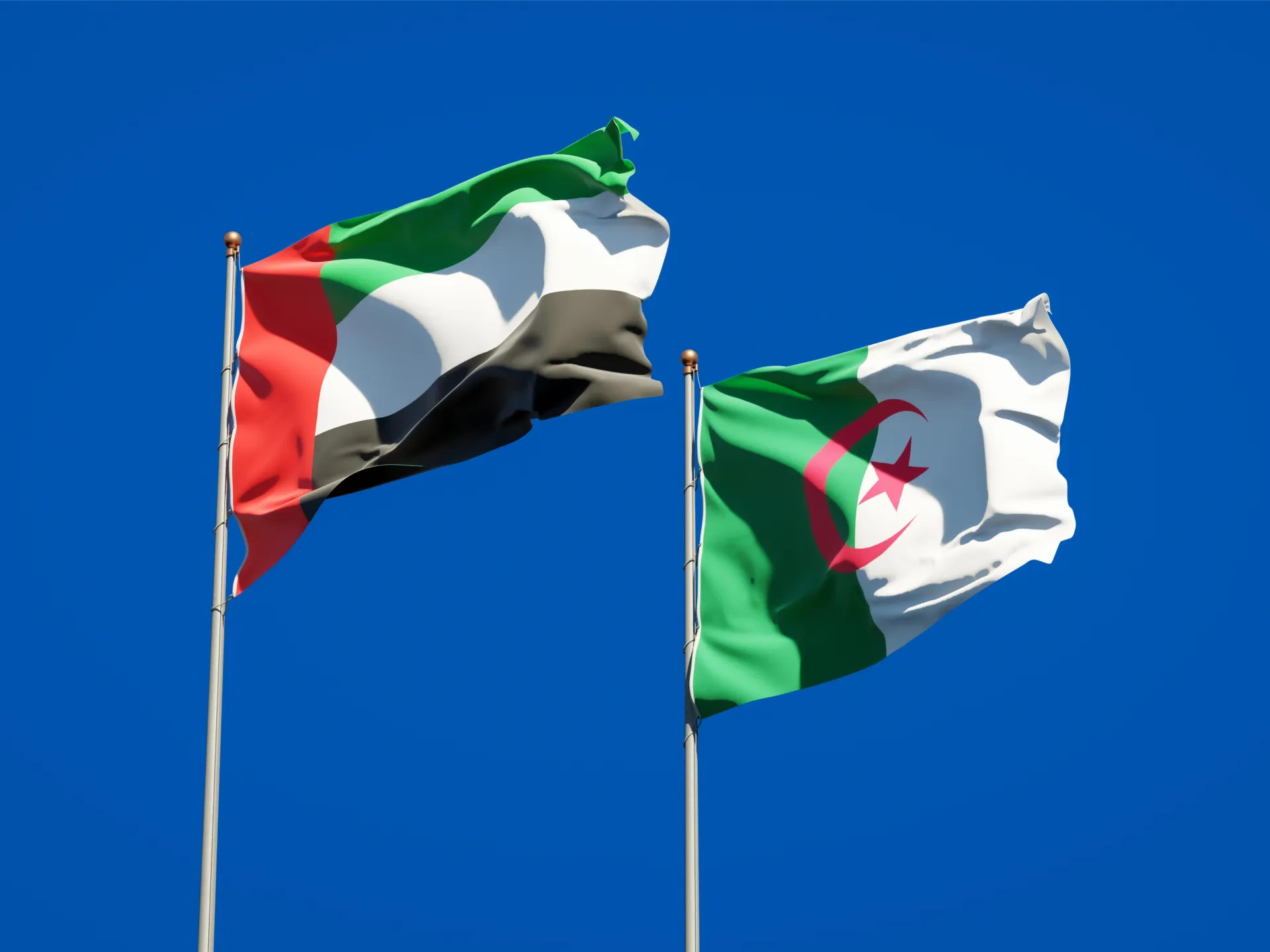
Marrakech – Algeria severed its diplomatic relations with the United Arab Emirates on Thursday, ending ties between the two countries after a long stretch of political tension. Algerian state television announced the decision, which the Foreign Ministry framed as a last resort “after the exhaustion of all means to preserve bilateral relations.”
The Foreign Ministry gave the Emirati ambassador 48 hours to comply with the decision. The envoy was received at the ministry’s headquarters in Algiers on Thursday and formally informed of its content.
In its statement, the ministry accused Abu Dhabi of a sustained pattern of hostile conduct. Faced with “the increasing provocative or hostile actions” of the UAE, Algeria had shown “a great deal of self-restraint and a high sense of responsibility,” the ministry argued, while warning the Emirati side of “the grave consequences that could result from its unfortunate and unjustified behavior.”
Those warnings went unheeded, according to the statement. The UAE “continued its persistence in these actions, which reached limits that could no longer be considered acceptable or tolerable within the framework of relations between two sovereign states, or remain without a response.”
Algiers has long accused Abu Dhabi of interfering in its national and regional affairs. Algerian media outlets have also criticized the UAE in the past, accusing it of seeking to sow discord across the region.
The rupture followed months of rising friction and a longer record of veiled criticism. A year earlier, President Abdelmadjid Tebboune had described Algeria’s relations with the Gulf states as warm with a single exception, calling ties with Saudi Arabia, Kuwait, Oman, and Qatar “brotherly” while accusing the unnamed country of meddling in Algeria’s internal affairs and working to destabilize it.
The signals grew sharper this year. In an interview broadcast on state television on February 7, Tebboune spoke of disputes with “a state or statelet” that he accused of trying to undermine his country’s stability, remarks observers read as a reference to the UAE.
That same day, the official Algerian news agency announced the start of procedures to cancel an air transport services agreement the two countries signed in Abu Dhabi in May 2013. The UAE’s General Civil Aviation Authority responded that the agreement would remain in effect during the legal period and that the decision would have no immediate effect on flights.
The tensions are rooted in competing agendas in North Africa and the Sahel. The UAE backs the Moroccan position on Western Sahara, while Algeria accuses the Gulf state of supporting Khalifa Haftar in eastern Libya, the ruling military council in Mali, and the Rapid Support Forces in Sudan.
Abu Dhabi’s expanding relationship with Israel adds another layer of friction. Algeria has also accused the UAE of backing the Movement for the Self-Determination of Kabylie, known as MAK, which Algiers classifies as a terrorist organization. Algerian authorities have not presented public evidence for that accusation.
The break with the UAE fits a wider pattern in Algeria’s foreign relations. In August 2021, Algiers severed diplomatic ties with neighboring Morocco.
The UAE Foreign Ministry did not immediately respond to a request for comment by Reuters on the Algerian decision.