


 Join on WhatsApp
  Join on Telegram
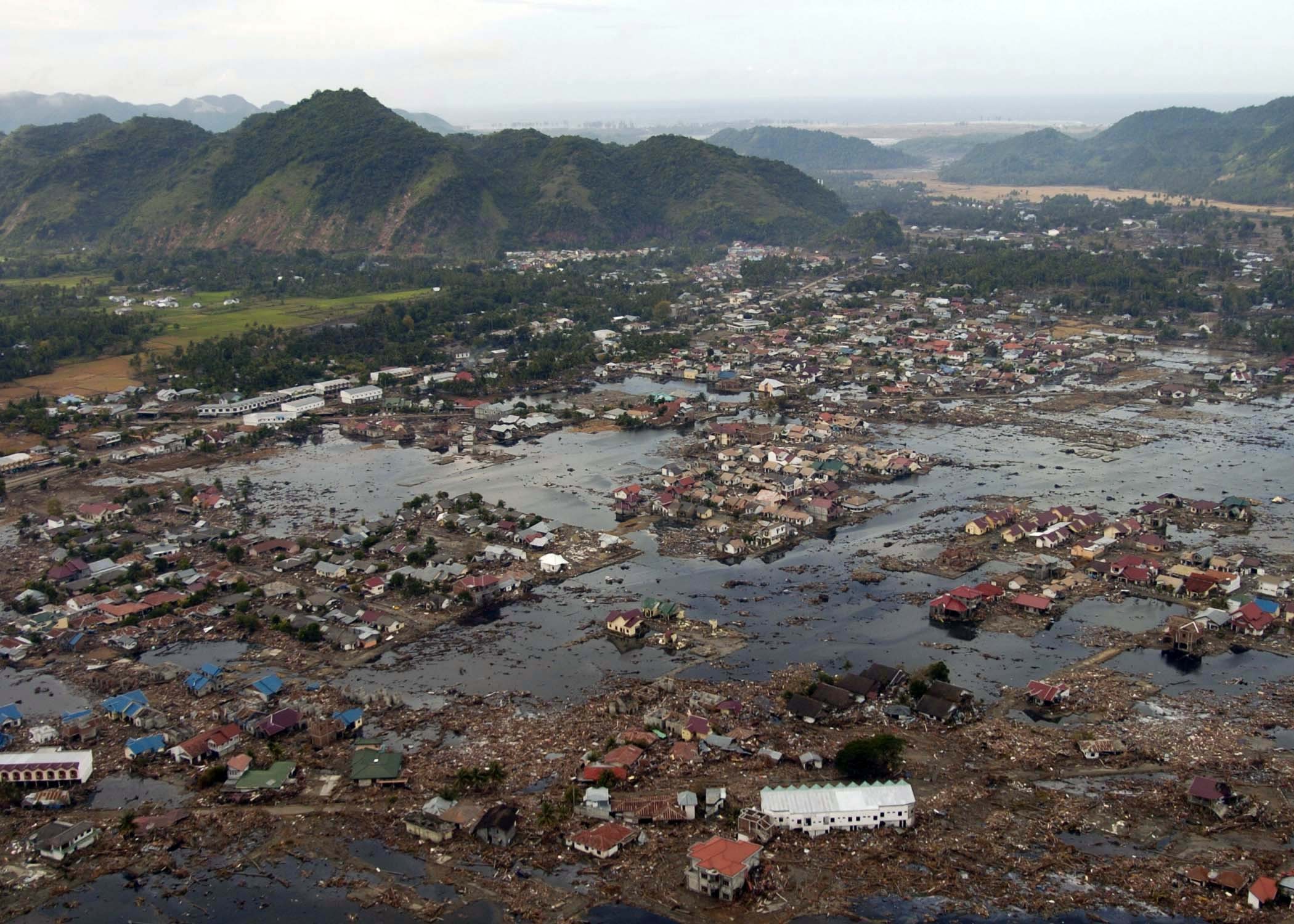
 Rabat — Twenty years ago, on December 26, a massive 9.1-magnitude earthquake off the coast of Sumatra and triggered a tsunami that slammed into 14 countries around the Indian Ocean, costing the life of 227,000 people with millions left grappling with grief, loss, and destruction.
The 51-meter-high waves flattened whole villages and tore through coastlines.
Indonesia’s Aceh province bore the brunt with over 130,000 killed and countless homes destroyed. Survivors recall a nightmare that unfolded without warning.
“It was like a wall of water moving towards the shore,” Beschi Antony Rayan, a fisherman from Kil Manakkudy in India, told The Indian Express. “When the water receded, it brought back to the sea all that was caught — men, women, children, and debris. Everything was over in five minutes.”
This devastation echoed across Sri Lanka, Thailand, and India.
Fishing communities lost not only their loved ones but also their livelihoods. The survivors were left with scars — some physical, many financial and emotional.
The tsunami’s sudden strike exposed the lack of an effective early-warning system. In Southeast Asia, there was no clear way to warn the locals before disasters struck.
Dr TM Balakrishnan Nair, a scientist with India’s National Centre for Ocean Information Services (INCOIS), called it a turning point. “Disasters we cannot prevent, but their impacts can be minimised through timely warnings and public education,” he said in an interview with The Indian Express.
Read also: World Extends Condolences to Azerbaijan Over Plane Crash
Since the tragedy, there has been a significant surge in effort to prepare for such catastrophes.
In 2007, India’s Tsunami Early Warning System became operational. It monitors the ocean using seismic stations, buoys, and tide gauges. Now, warnings can be issued within 10 minutes of an earthquake’s detection.
At the same time, communities have been educated. In 2020, two villages in Odisha became the first in the Indian Ocean region to be certified as “Tsunami Ready” by UNESCO. “Once a community is prepared for a tsunami, they are better equipped for any coastal hazard,” said Dr. Nair.
For survivors, the scars remain. Many still mourn loved ones who were swept away. Others live with the trauma that never fully fades. A study found nearly eight in ten adults in Tamil Nadu reported psychological illness after the tsunami, as women experience heightened anxiety and men find solace in alcohol.
The tsunami taught the world hard lessons. It spurred the creation of global warning systems and new technologies to predict and monitor disasters. But experts say there’s more to be done.
Dr. Nair reflected, “The tsunami showed us the fragility of coastal communities. We’ve made strides since then, but the work must continue.”


