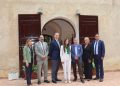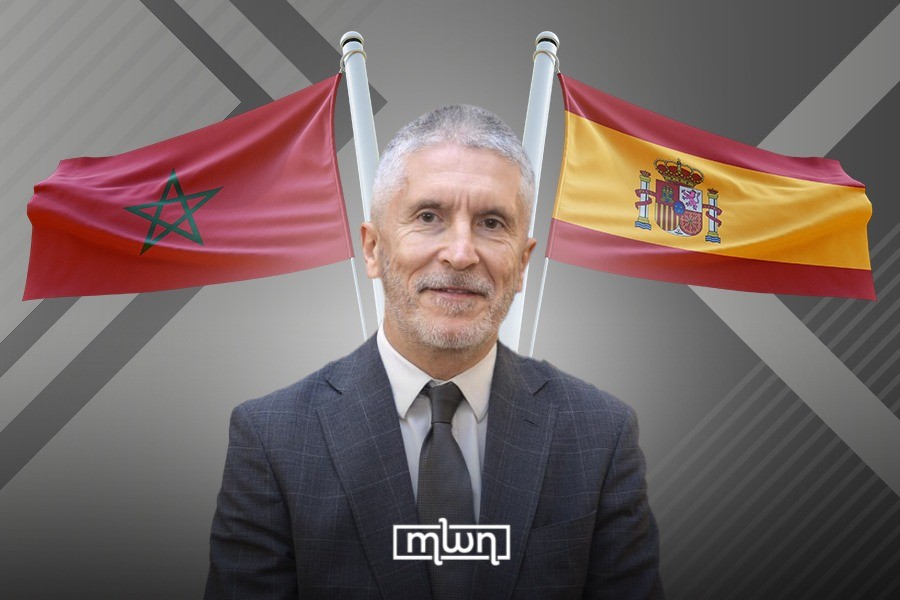
Doha – Spain’s Interior Minister Fernando Grande-Marlaska declared that Spain and Morocco have reached an “exceptional and extraordinary” level of bilateral relations during his visit Wednesday to the Spanish enclave of Melilla, where he inspected the newly modernized Beni Enzar border crossing.
During a press briefing at the border, Grande-Marlaska characterized the current cooperation between the two countries as one of “maximum trust,” particularly highlighting Morocco’s crucial role in counterterrorism, organized crime prevention, and management of irregular migration.
“Both countries are very conscious that the security of our citizens guides us at all times,” Grande-Marlaska said during the visit, adding that Morocco and Spain are “friends” and “brother countries.”
The minister’s comments came as he toured the renovated Beni Enzar crossing point, which has undergone an €11 million modernization to meet European Union smart border requirements.
Read also: First Commercial Truck Crosses Morocco-Melilla Border After 6-Year Closure
The new infrastructure includes advanced technological systems, updated pedestrian and vehicle terminals, and enhanced surveillance capabilities.
Regarding the commercial customs reopening in both Melilla and Ceuta enclaves, Grande-Marlaska indicated that a “significant agreement” exists between the two countries.
He noted that customs technical teams are currently “finalizing the necessary and precise details” for the openings, following Morocco’s unilateral closure of Melilla’s commercial customs in August 2018.
The minister confirmed that the smart border system is expected to begin operations in October, pending European Commission approval. The system will electronically register entry and exit times for non-EU nationals entering the Schengen area for short stays.
The border modernization is part of a larger €38 million investment in infrastructure improvements to the enclave’s perimeter facilities, according to ministerial sources.
During his visit, Grande-Marlaska met with various security officials, including National Police Foreign Affairs Commissioner Julian Ávila and Civil Guard Border Command Chief Lieutenant General Manuel Navarrete, to discuss operational matters.
The minister also addressed border rejection procedures, stating that Spain’s current regulations align with international law and human rights conventions, citing validation from various courts including the European Court of Human Rights.